Second MBC training session held in Albania to support integrated conservation at the Karavasta–Godulla Lagoons
The second session of the Mediterranean Biodiversity Consortium (MBC) training programme took place during the first week of December in the Albanian pilot site. This three-day session, held from 2 to 4 December in Divjakë-Karavasta National Park, builds directly on ongoing conservation and restoration efforts carried out in the framework of the RESCOM project. The training programme, designed for natural area managers across the Mediterranean, was inaugurated in early November at the Capo Carbonara Marine Protected Area (MPA), the Italian pilot site of the RESCOM project.
‘One Health’ applied to natural environments – epidemiological assessment and management of pollution in lagoons
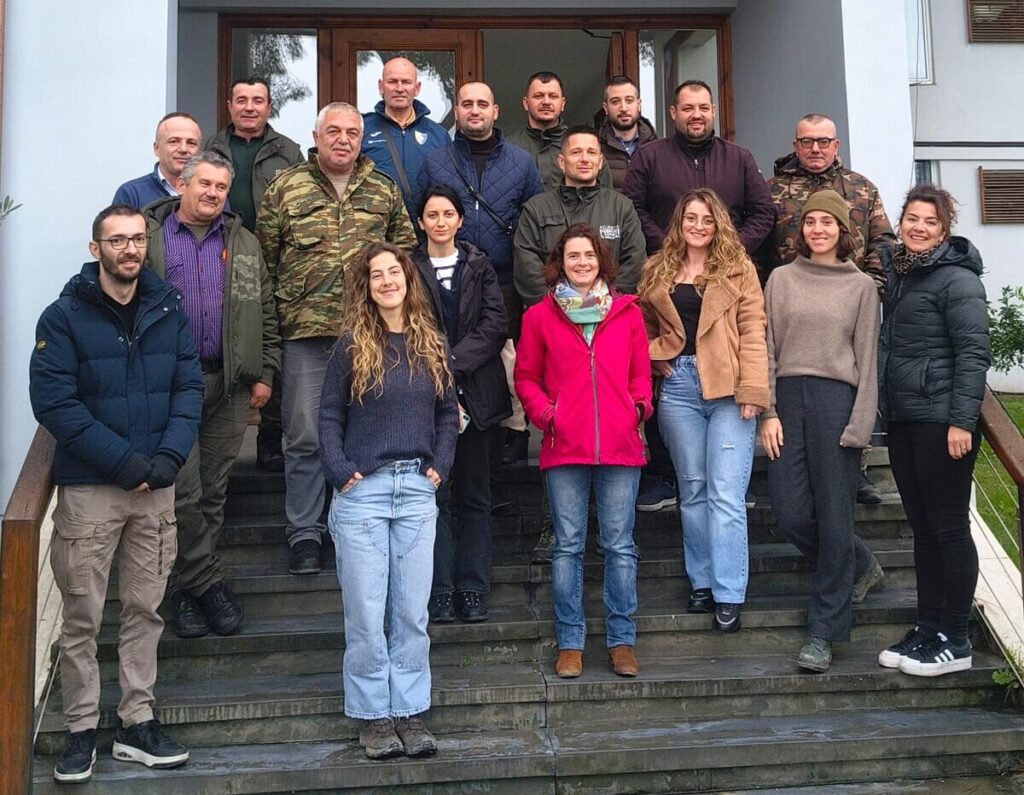
This session focused on the One Health approach and its relevance to lagoon ecosystems, with the aim of helping local stakeholders better understand, monitor and manage the health and resilience of both the natural site and surrounding communities. The participants of the training were the main local stakeholders, namely, the representing members of the Divjakë municipality, members of the Albanian Regional Agency for Protected Area of the Fier region and members of the local NGO Protection and Preservation of Natural Environment in Albania (PPNEA).
The “One Health” concept, comprising three pillars – human, animal and environmental health – provides an insightful framework for analysing pollution and epidemiology issues in natural zones. As particularly vulnerable environments, lagoons require health risk management plans that incorporate this holistic view of health. The aim of this training is to provide participants with the knowledge and skills needed to develop such plans.
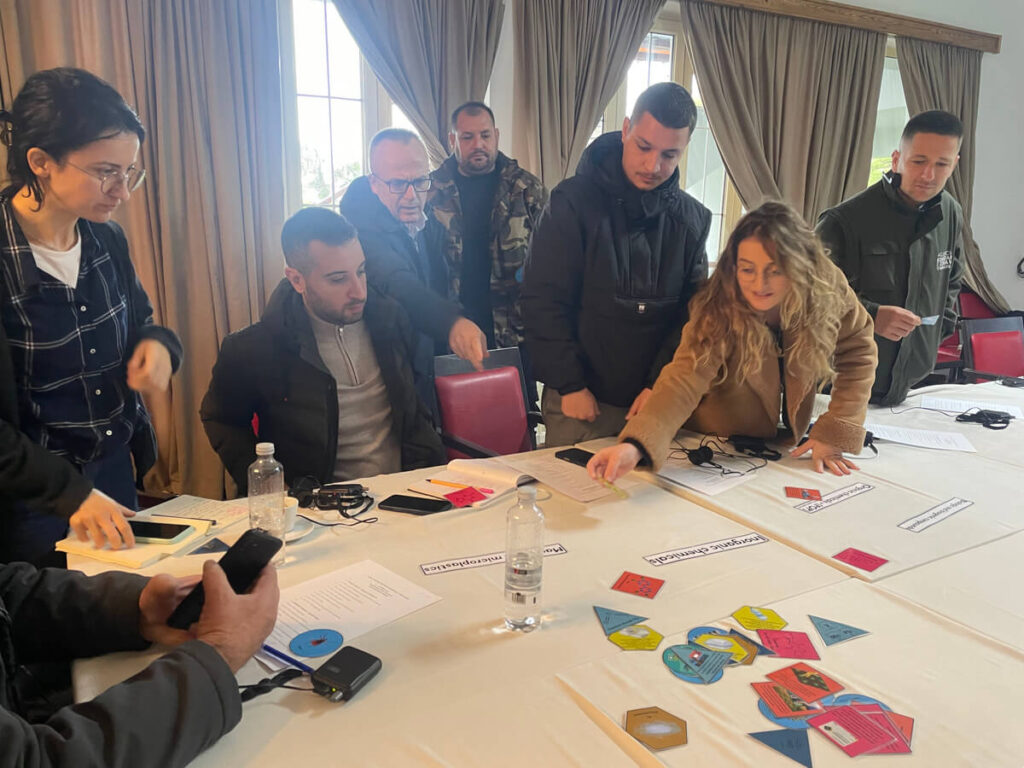
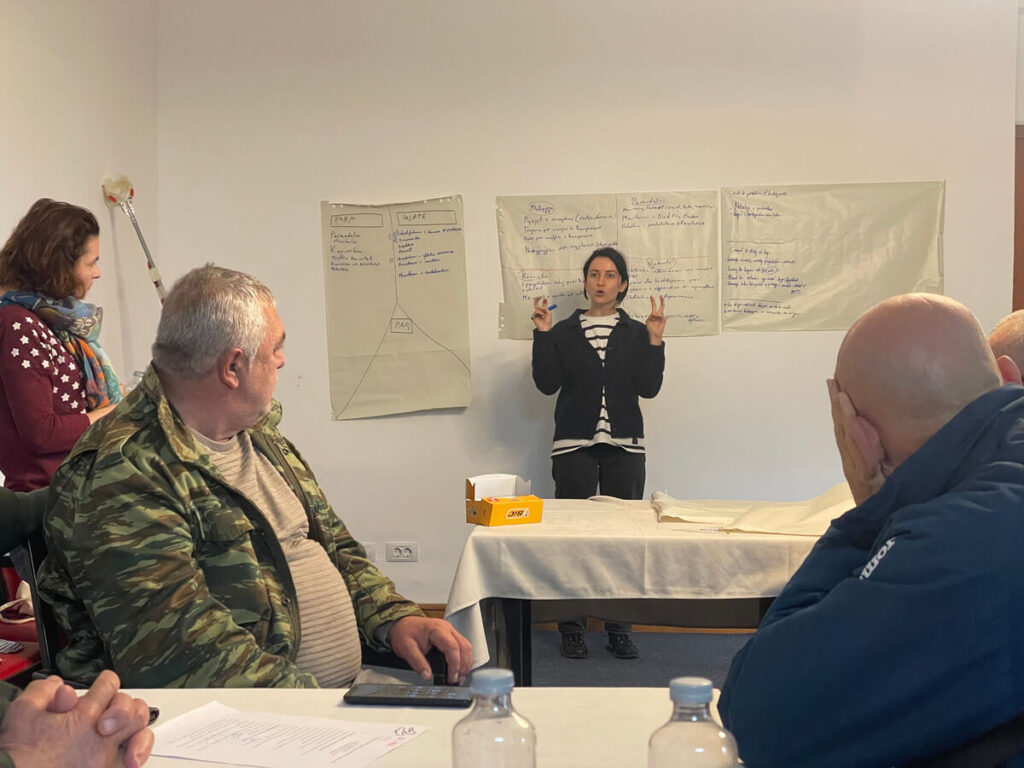
The training team composed by professionals from Tour du Valat and PIM Initiative took on the double challenge of developing and testing a dynamic training format. The programme blended icebreakers, traditional presentations, interactive activities and games to reinforce the theoretical aspects, and field trips. This allowed for a two-way exchange of knowledge and ensured the content remained relevant to local realities.
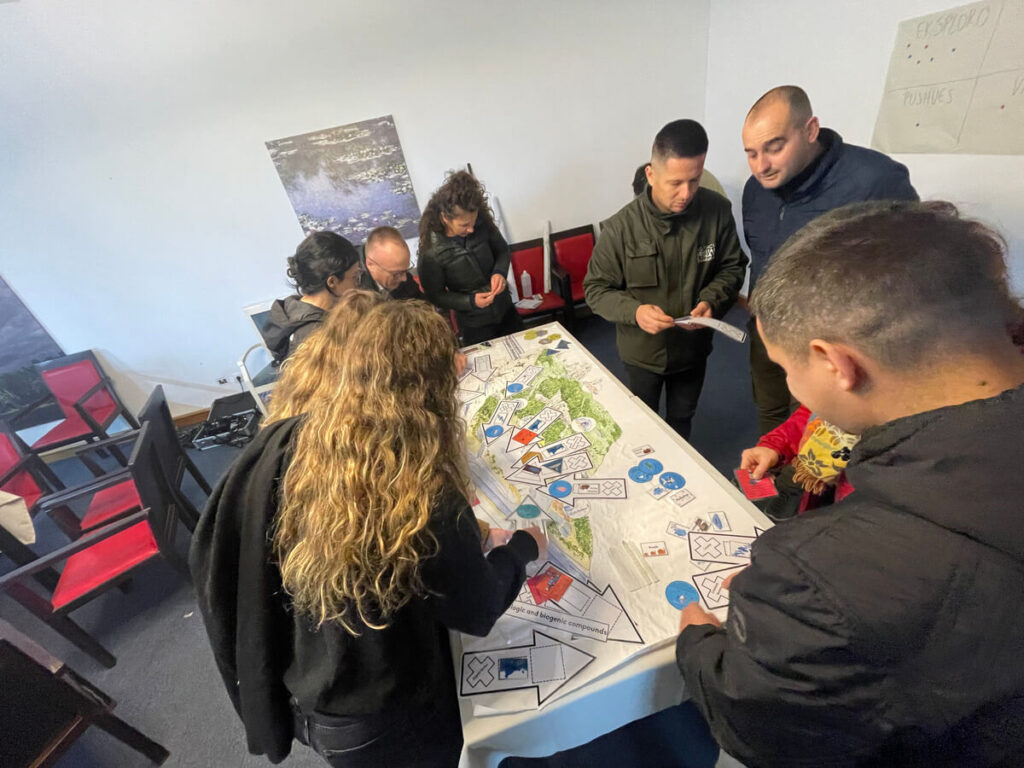
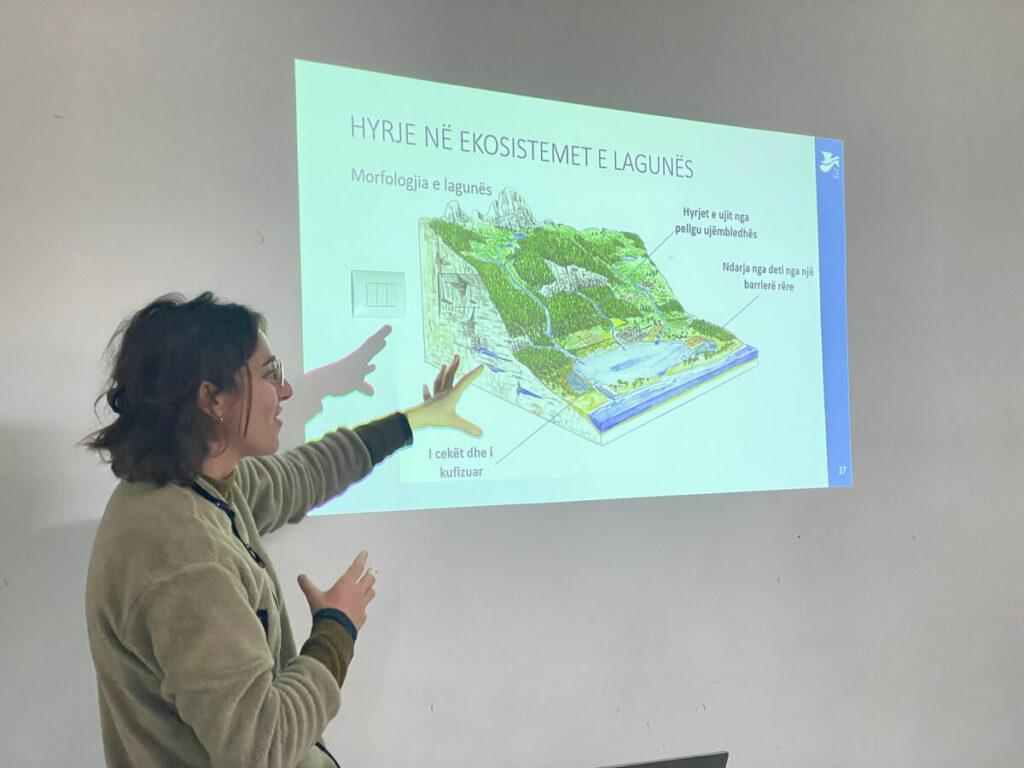
The first day introduced the theoretical foundations: the One Health concept, the dynamics of the lagoon ecosystem and the different pollutants (organic compounds, inorganic compounds, micro and macro plastics and biogenic compounds) we can find, and finally also the different real examples of sanitary crisis and how they can be handled. This day also included interactive activities and concrete local examples to achieve the direct implication of the different participants.
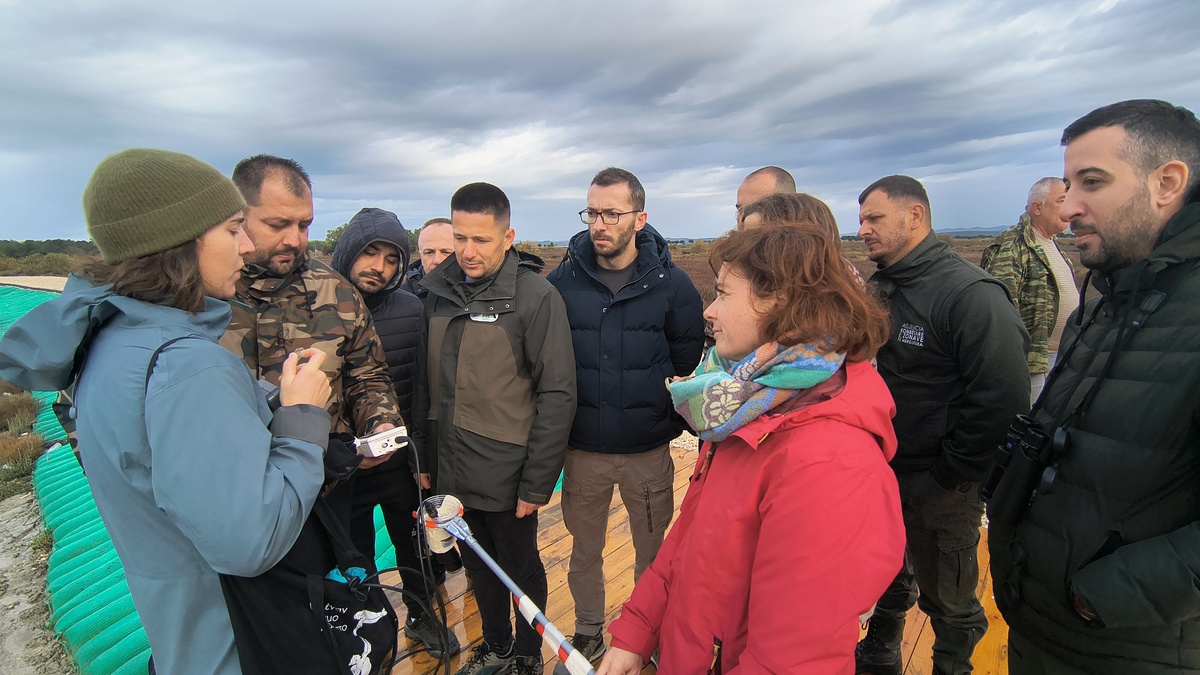
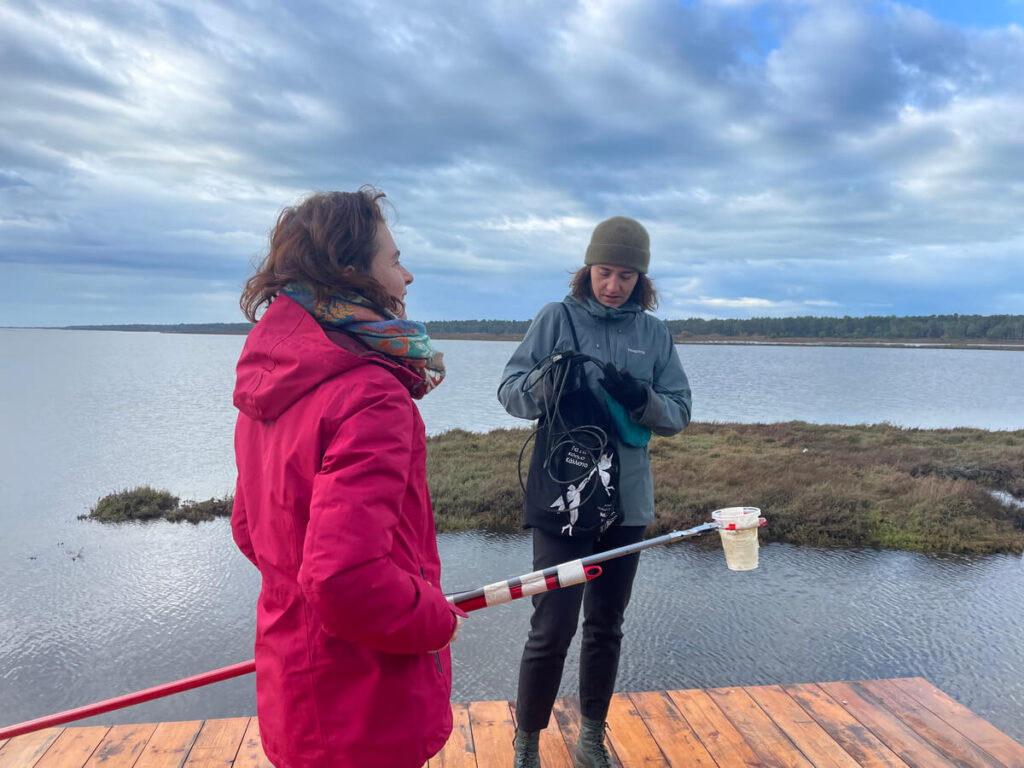
On the second day, the whole team did a field visit around the lagoon to monitor the levels of oxygen, salinity, temperature and chlorophyll a of the lagoon itself and the different irrigation or drainage channels around it, gaining a clearer understanding of the spatial distribution of anthropogenic impacts. The day concluded with a collaborative discussion on the main pollution risks in the Karavasta Lagoon, priority sources and potential mitigation measures. On the final day, participants applied the concepts learned to design a crisis-management plan for a hypothetical epidemic or eutrophication event, reflecting on preventive, reactive and post-crisis measures.
Integrated multi-ecosystem approach to strengthen the resilience of Divjakë-Karavasta National Park Albania
In line with RESCOM’s integrated landscape approach, the interventions in Albania span wetlands, dunes, forests and agricultural interfaces. The project combines ecological diagnostics of the Karavasta and Godulla lagoons with the restoration of key breeding habitats for priority bird species such as the Dalmatian pelican (Pelecanus crispus) and the common and little terns (Sterna hirundo, Sternula albifrons). These actions are complemented by efforts to strengthen protection and adaptive management of the coastal dune system — including invasive species control, zoning and the restoration of degraded dune habitats.
On the surrounding hills of Divjakë, a strategic forest restoration programme is planned, involving the afforestation of two hectares with approximately 5,000 native trees and shrubs (including Quercus, Pinus and other local species). This intervention, supported by a three-year maintenance and monitoring phase, aims to reduce erosion, stabilise soils and enhance carbon sequestration. Together, these actions contribute to improving water quality, restoring habitats, reinforcing ecological connectivity and regulating human pressures such as unregulated tourism, land conversion and agricultural runoff. They also support the recovery of species of conservation concern — from lagoon fish such as Mugil spp. to dune and wetland plants including Ammophila arenaria, Elymus farctus, Salsola kali and Xanthium strumarium. Through this coordinated, multi-ecosystem NbS approach, the Albanian pilot site is becoming a living model of how integrated restoration and risk-management strategies can strengthen resilience in Mediterranean coastal landscapes.
A warm thank-you goes to the entire management team of the Divjakë-Karavasta National Park for their enthusiasm and hospitality. It was a full, constructive and promising week, contributing valuable insights to ongoing reflections on adapting the management of Mediterranean natural sites to climate change within the RESCOM project.
Photos: © Carolina Mañoso Gimeno and Anaële Sacchettini