International Day of Forests: Why Mediterranean forests are key to ecosystem resilience
By Martin Fillot, AIFM
Celebrating the International Day of Forests
Each year on March 21, the world celebrates the International Day of Forests, a day established by the United Nations General Assembly in 2012 to raise awareness about the importance of all types of forests.
This date represents the seasonal cycles of forests across both hemispheres and highlights the essential role forests play throughout the year.
Forests provide multiple benefits that are often described through three major functions: ecological, social and economic. While the economic value of forests — through timber, non-wood forest products and tourism — is particularly highlighted this year by the Food and Agriculture Organization (FAO), their ecological and social roles are equally vital. Forests regulate water cycles, protect soils, store carbon, host extraordinary biodiversity and support the livelihoods and cultural heritage of millions of people.
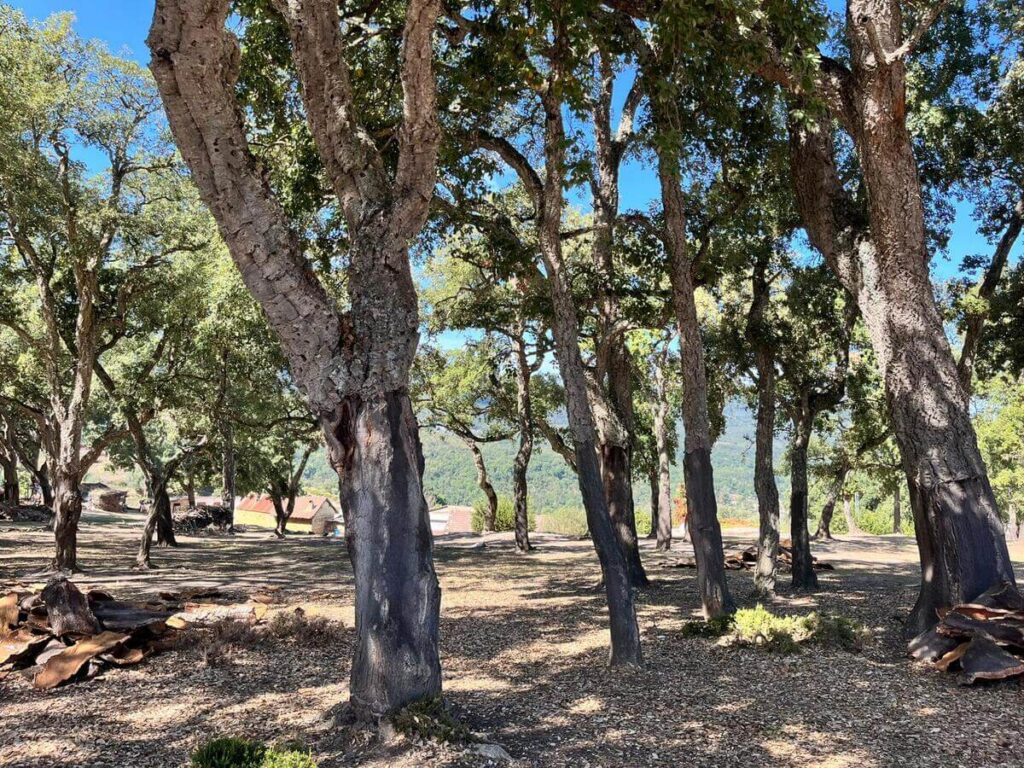
Within the Mediterranean Biodiversity Consortium, forests are not considered in isolation. They are part of a broader ecological continuum linking mountains, wetlands, rivers, coasts and marine ecosystems. Healthy forests support downstream ecosystems by regulating water flows, filtering sediments and maintaining habitats that ultimately benefit coastal and marine biodiversity.
Protecting forests therefore means protecting the entire Mediterranean ecological system.
Forest pilot sites in the RESCOM project
Through the RESCOM initiative, the consortium implements Nature-based Solutions across several pilot sites around the Mediterranean.
Two sites illustrate the importance of forests in this approach:
Oued Ezzen National Park, Tunisia
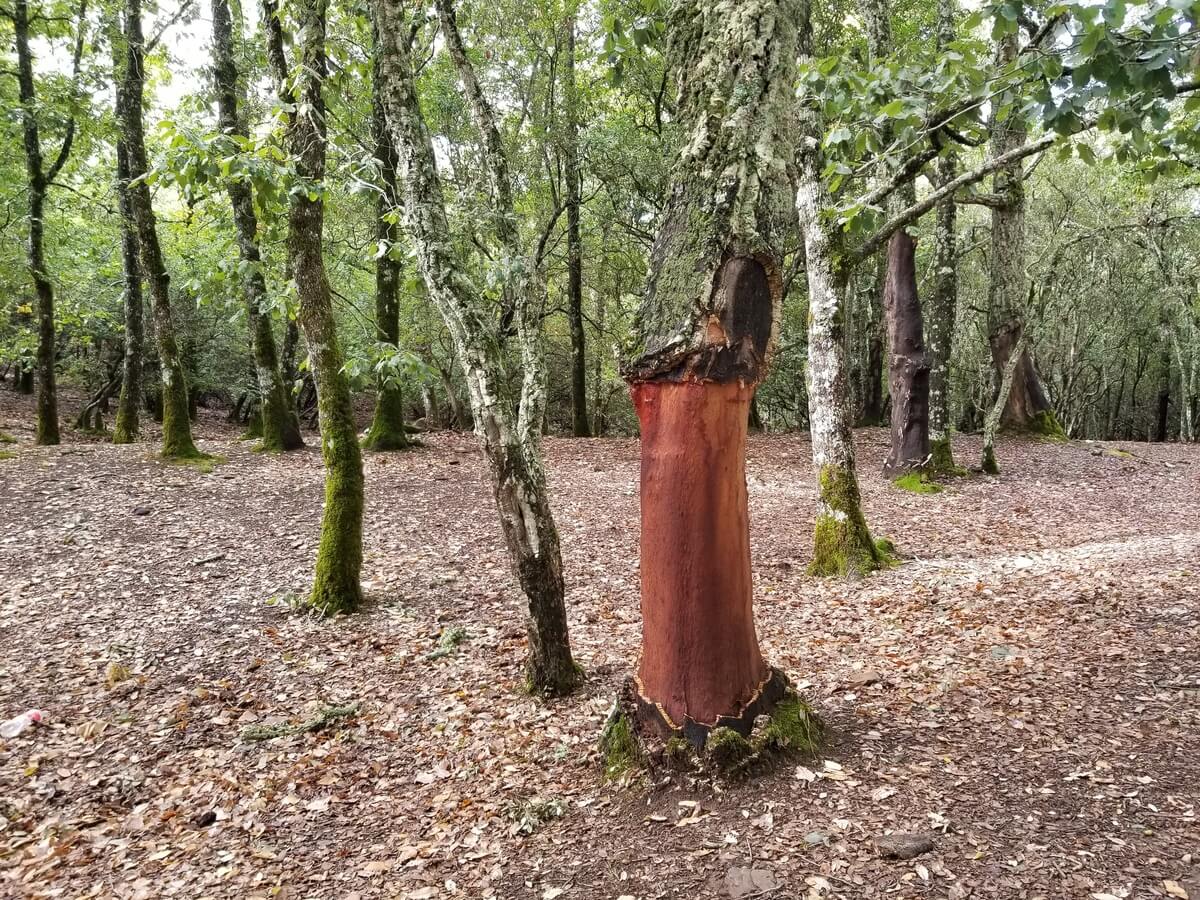
The Oued Ezzen National Park hosts remarkable forest ecosystems typical of the Kroumirie region, including cork oak and zeen oak forests. These habitats support a wide range of species such as the Barbary deer, amphibians and diverse birdlife.
Within RESCOM, actions focus on:
- restoring degraded forest areas and watersheds, to improve ecosystem resilience and reduce erosion,
- strengthening fire prevention measures, including the creation of firebreaks and improved surveillance infrastructure,
- managing visitor flows and developing ecotourism, through signage, trail management and dedicated visitor areas,
- restoring and managing water sources and wetlands, to support biodiversity and ensure sustainable water use for ecosystems and communities.
These actions aim to strengthen both ecological resilience and sustainable local development.
Bouhachem Natural Park, Morocco
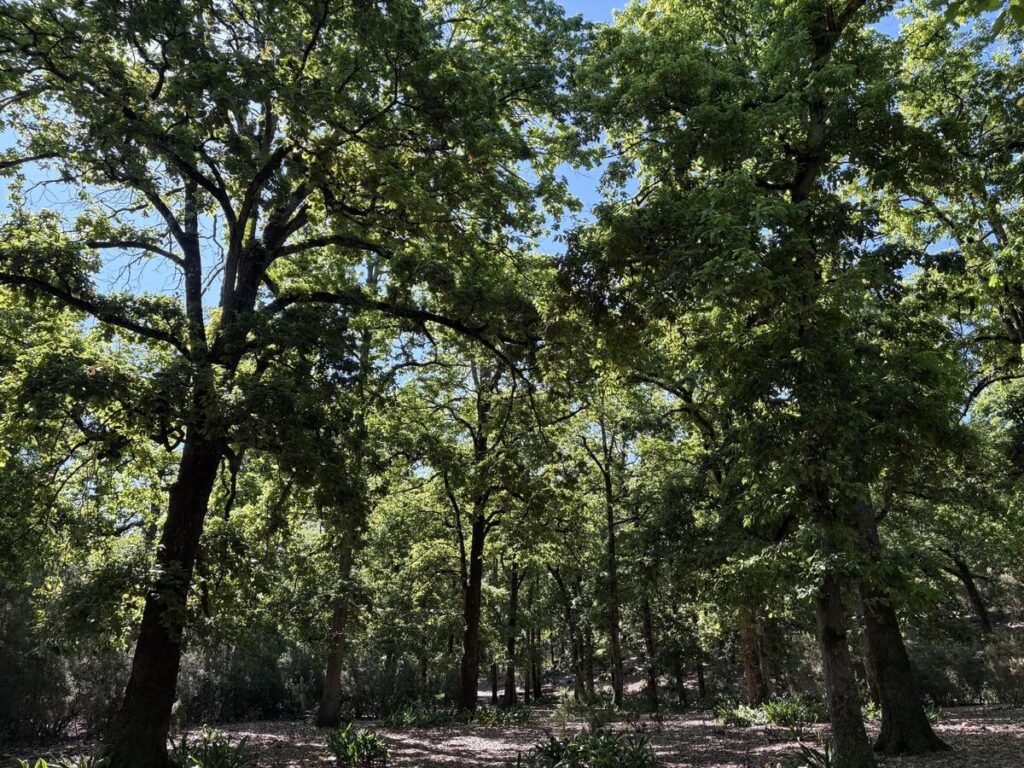
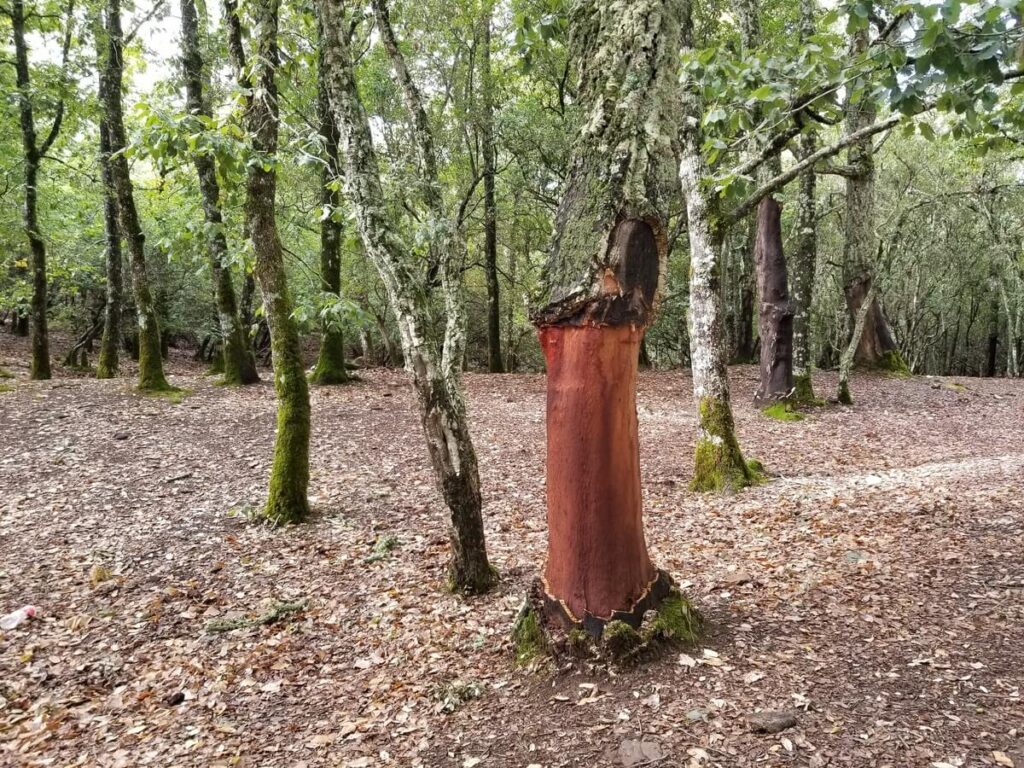
The Bouhachem Natural Park is one of the most biodiverse forest areas in northern Morocco, hosting unique Mediterranean mountain forests and many endemic species. Within the RESCOM project, restoration efforts in the Bouhachem National Park focus on a cork oak forest area severely affected by wildfires.
RESCOM actions may potentially include:
- restoring priority cork oak habitats through assisted natural regeneration, targeted planting and adapted grazing management measures implementation,
- protecting critical habitats for the Barbary macaque, whose local population is estimated at around 250 individuals,
- engaging local communities in restoration activities, ensuring their participation in planning, planting and long-term stewardship of the forest,
- testing and applying ecological restoration standards developed by the Society for Ecological Restoration Europe (SERE), already implemented in southern Spain.
This site demonstrates how forest conservation can go hand in hand with rural development and biodiversity protection.
Governance challenges in Mediterranean forests
Forests in Mediterranean countries often face multiple pressures: climate change, fires, grazing, tourism, and competing land uses. Effective conservation therefore depends not only on ecological restoration, but also on governance.
In countries such as Tunisia and Morocco, forests are largely public lands managed by national forest administrations. However, local communities have historically relied on these landscapes for grazing, fuelwood, and non-wood forest products.
Balancing conservation and local livelihoods requires inclusive governance models that bring together forest authorities, communities, researchers and civil society organizations.
Co-management as a pathway for sustainable forests
One promising approach is co-management, which involves local stakeholders in decision-making and stewardship of natural resources.
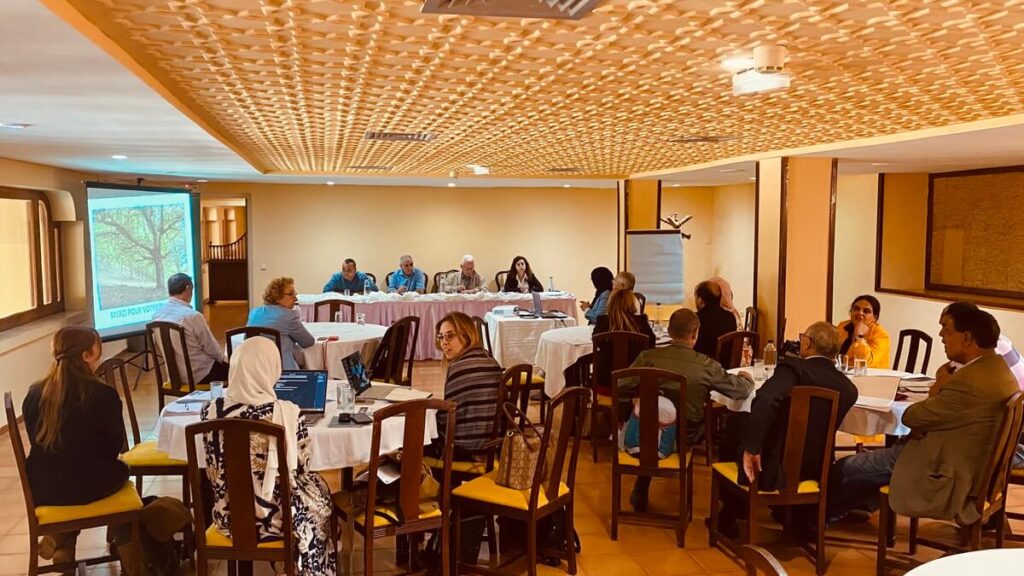
At the Oued Ezzen National Park, the development of a Management Plan has provided a platform for dialogue between forest authorities, local communities and technical partners.
This participatory process has helped:
- identify priority conservation actions
- integrate local knowledge into ecosystem management
- align biodiversity protection with local development opportunities.
Such governance approaches strengthen ownership, reduce conflicts over resources and ensure that restoration efforts are sustainable in the long term.
From forests to the sea: restoring the Mediterranean as one system
Mediterranean forests are not only reservoirs of biodiversity — they are also critical components of the wider ecological system that links mountains, rivers, wetlands and the sea.
By integrating forest conservation into a broader multi-ecosystem strategy, the Mediterranean Biodiversity Consortium aims to restore ecological connectivity across landscapes and strengthen resilience to climate change.
On this International Day of Forests, the consortium reaffirms that protecting forests is a key step toward safeguarding the Mediterranean’s natural heritage and supporting the communities who depend on it.