Les plans de gestion et d’action sont l’épine dorsale d’une gouvernance efficace des zones protégées. Lorsqu’ils sont conçus de manière collaborative et adaptative, ils deviennent des outils puissants pour le...
Lire plusWhere?
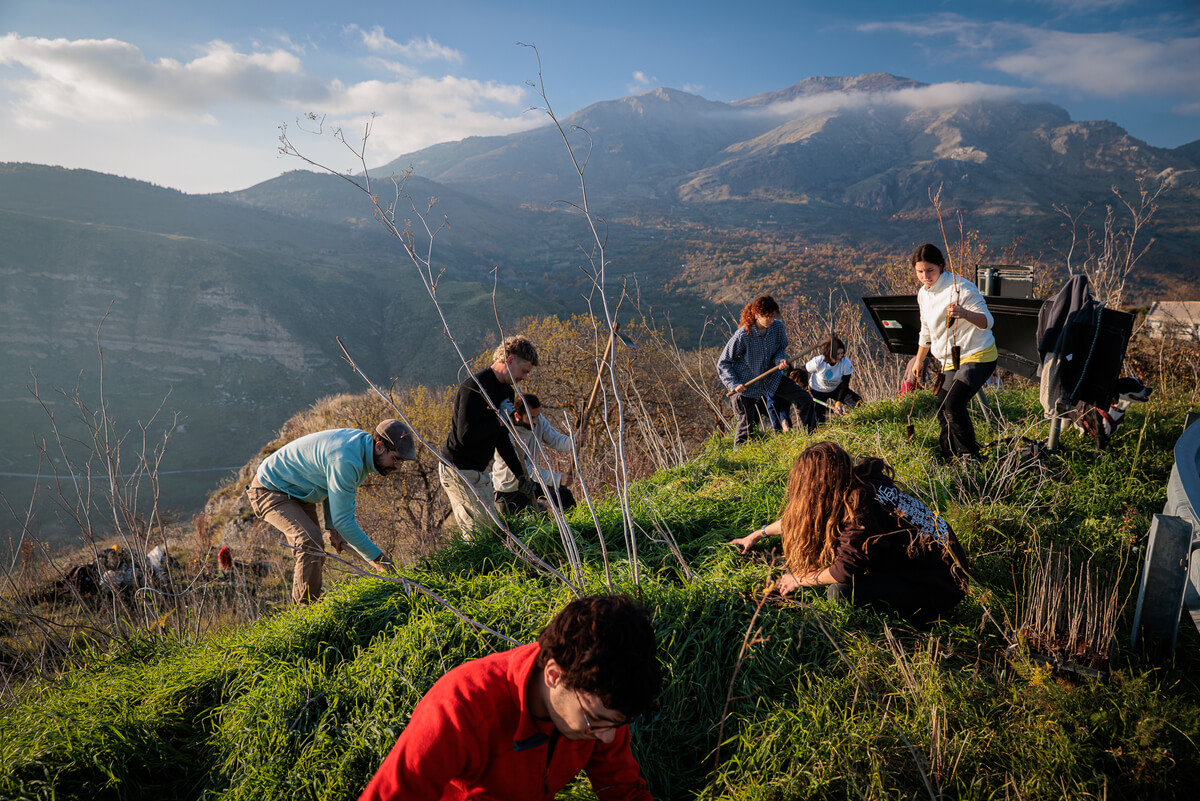
The project is implemented within the boundaries of the Madonie Regional Natural Park in Sicily (Italy), in the municipalities of Petralia Sottana and Petralia Soprana. This mountainous region, part of the UNESCO Global Geopark Network, is one of the most ecologically diverse areas in the central Mediterranean, encompassing forest, grassland, and wetland ecosystems. The site is of ecological importance, exposed to climate-related threats, and close to local communities — offering strong potential for inclusive citizen science and sustainable ecotourism.
By whom?
Collettivo Rewild Sicily is implementing this project. Its mission is to make the largest island in the Mediterranean basin greener and wilder, while fostering greater environmental awareness among its communities. It works toward this goal by building a pro-rewilding culture through tangible actions on the ground. Its main tools include agroforestry, wildfire prevention measures, grazing systems, citizen science, and wildlife monitoring.
The organisation follows a bottom-up approach, starting with people and local ecological knowledge deeply rooted in the territory. It aims to strengthen nature in Sicily and position rewilding as a key ally for the future.
Which challenges?
This project proposes a locally led Nature-based Solution (NbS) that combines ecosystem restoration and biodiversity monitoring to address key societal challenges, including climate change adaptation, sustainable rural development, and disaster risk reduction.
Designed for implementation in a multi-ecosystem setting, it aims to restore ecological connectivity and functionality while supporting local livelihoods through inclusive governance and low-impact ecotourism.
About the project
- Ecological restoration of forests, grasslands and wetlands through reforestation, grassland recovery and installation of nesting and bat boxes
- Citizen science and biodiversity monitoring activities engaging local volunteers, with a focus on youth and women
- Training of local nature guides and development of guided nature experiences to promote sustainable eco-tourism
- Restoration and improvement of hiking and biking trails to increase access to restored areas
- ·Participatory governance, baseline and endline surveys, and NbS evaluation aligned with the IUCN Global Standard
- Improved habitat connectivity and biodiversity recovery for birds, bats and butterflies
- Increased local capacity for biodiversity monitoring and stewardship
- Diversified and more resilient rural livelihoods through nature-based eco-tourism
- Reduced vulnerability to wildfires and climate-related impacts
- A documented, replicable NbS model for community-led rural regeneration
- Climate change adaptation and disaster risk reduction
- Biodiversity loss
- Economic and social development
- Rural depopulation
Three-day RESCOM event at Patara Special Environmental Protected Area (SEPA), Türkiye
Within the frame of RESCOM project, the IUCN Centre for Mediterranean Cooperation and T.R. Ministry of Environment Urbanisation and Climate Change, General Directorate of Protection for Natural Assets organized a...
Lire plusSupporting the implementation of RESCOM at the pilot site of Patara (Turkey)
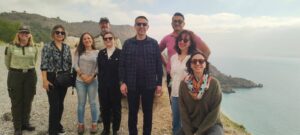
On 5 November 2024, representatives from the Turkish Ministry of Environment, Urbanisation and Climate Change, General Directorate for Protection of Natural Assets (GDPNA), visited the IUCN Med office in Malaga,...
Lire plus