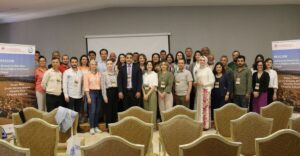
Les plans de gestion et d’action sont l’épine dorsale d’une gouvernance efficace des zones protégées. Lorsqu’ils sont conçus de manière collaborative et adaptative, ils deviennent des outils puissants pour le...
Lire plus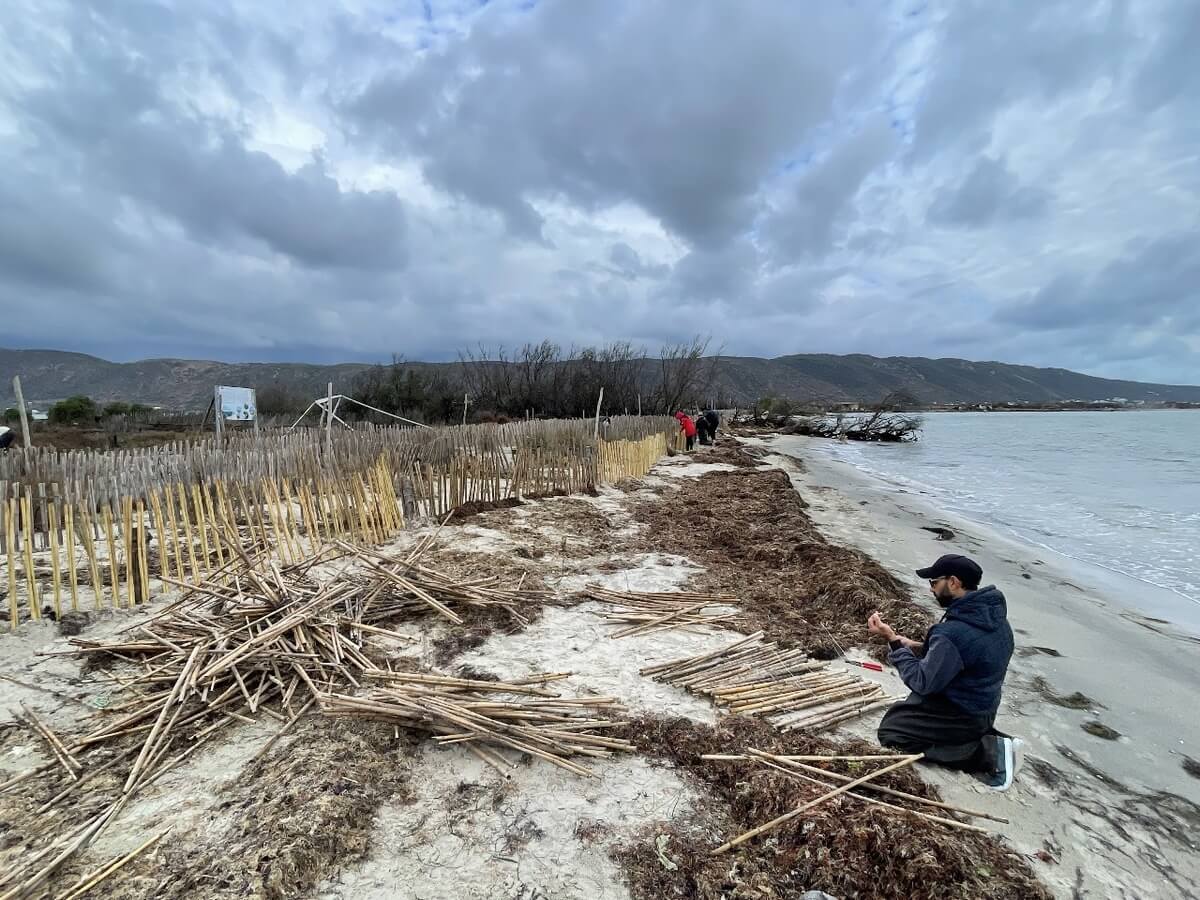
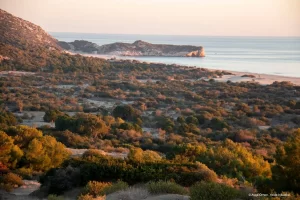
Three-day RESCOM event at Patara Special Environmental Protected Area (SEPA), Türkiye
Within the frame of RESCOM project, the IUCN Centre for Mediterranean Cooperation and T.R. Ministry of Environment Urbanisation and Climate Change, General Directorate of Protection for Natural Assets organized a...
Lire plus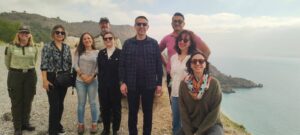
Supporting the implementation of RESCOM at the pilot site of Patara (Turkey)
On 5 November 2024, representatives from the Turkish Ministry of Environment, Urbanisation and Climate Change, General Directorate for Protection of Natural Assets (GDPNA), visited the IUCN Med office in Malaga,...
Lire plus