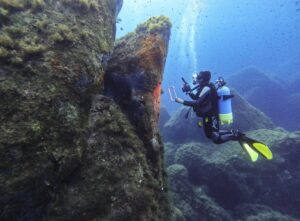
RESCOM’s actions will aim to protect and restore emblematic species and their marine and island habitats, with a particular focus on Posidonia oceanica meadows. endemic endemic species on the islands of Cavoli and Serpentara, reinforcing conservation strategies.
The specific activities of the RESCOM project will focus on several key actions to protect and restore biodiversity in the Cap Carbonara Marine Protected Area and its insular zones. The main action will be the restoration of Posidonia oceanica meadows, essential for the balance of marine ecosystems. This includes reducing anthropogenic impacts, such as illegal anchoring, and protecting against pollution, notably fuel and antifouling spills.
At the same time, follow-up measures will be put in place to monitor threatened species such as seabirds, reptiles and endemic plants on the islands of Cavoli and Serpentara. This will help assess the status of populations and guide conservation efforts.
The project also includes local capacity-building actions through training and awareness-raising campaigns. These actions will aim to actively involve local communities and stakeholders in the sustainable management of the site.
Finally, ecotourism activities will be developed to promote conservation while offering sustainable economic opportunities. These initiatives will be accompanied by the implementation of integrated management strategies to foster ecosystem resilience in the face of environmental and human pressures.
“Restoring and protecting Posidonia seagrass meadows means safeguarding a vital habitat for fish reproduction, as well as shelter and food sources for many species. It also strengthens coastal protection against erosion by maintaining their role as natural barriers. Above all, it provides an effective shield against climate change, as these seagrass meadows are invaluable carbon sinks and natural filters of pollutants.”
– Lara Carroso, marine biologist within the AMPCC management team
The conservation actions carried out on the site, aimed at restoring Posidonia meadows and preserving island ecosystems, will have positive impacts beyond the targeted areas.
Posidonia meadows play a key role as carbon sinksserving as nurseries for fish and filtering pollutants from the water. Their conservation also helps limit beach erosion by reducing the impact of currents and retaining sand, while providing niches for various invertebrate species, thereby supporting the terrestrial ecosystem. In addition, the islands of Cavoli and Serpentara are crucial refuges for seabirds such as Scopoli’s shearwater and Yelkouan shearwater, as well as for emblematic lizard species and threatened plants. Preserving the fragile balance of these islands requires protecting their interdependencies and limiting human disturbance, through appropriate management measures such as designated trails and awareness-raising signage.
These actions will help to maintain local biodiversity while providing environmental benefits for the Mediterranean region as a whole.