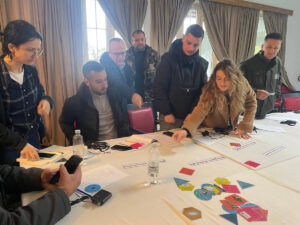


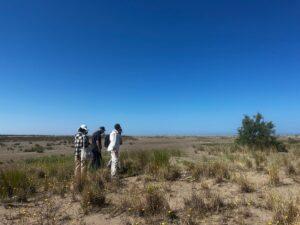
On June 9 and 10, 2026, the Tour du Valat and the Conservatoire du littoral, members of the Mediterranean Consortium for Biodiversity (CMB), conducted a monitoring mission in Divjaka-Karavasta National...
Read moreSurface area:
22,230 ha
Mediterranean Biodiversity Consortium
Surface area:
22,230 ha
Location:
Albania/ Fier region / municipality of Divjaka
Type of natural habitats:
Wetlands, dunes, coastal meadows, woodlands and pine forests
Managers:
RAPA Fier, the regional branch of the National Agency of Protected Area
Protection status
1993
Important Bird Area (IBA)
1995
Ramsar Site
2007
National park
2017
Emerald site (Bern Convention)
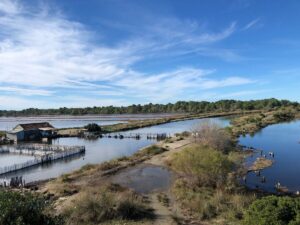
The Karavasta wetland is the largest in Albania, located on the Adriatic coast. It acts as a buffer zone between the sea and the coastal plain, where most economic activities (notably agriculture) take place;
The park includes a mosaic of natural habitats that host several animal species, including aquatic molluscs, insects, fish, amphibians, reptiles, birds, and mammals.
Divjaka-Karavasta National Park is best known for its birdlife. It is a major site for migratory birds along the southern Balkan corridor. The site hosts around 260 bird species, including more than 85 species listed in Annex I of the EU Birds Directive. Most notably, it is home to Albania’s only breeding colony of the Dalmatian pelican (Pelecanus crispus), with around 85 breeding pairs.
The RESCOM project aims to improve the ecological status of the Park’s emblematic ecosystems (lagoon, forest, and dune) through strengthened knowledge and the participatory planning of restoration and protection measures, while also helping to reduce the impact of certain pressures, particularly tourism.
Activities at the site target several of the protected area’s key ecosystems, mobilizing the combined expertise of Tour du Valat and the Conservatoire du Littoral, who work closely with the management team and other local experts to identify appropriate management measures and solutions to restore the site’s natural habitats through a more integrated approach.
On June 9 and 10, 2026, the Tour du Valat and the Conservatoire du littoral, members of the Mediterranean Consortium for Biodiversity (CMB), conducted a monitoring mission in Divjaka-Karavasta National...
Read moreThe second session of the Mediterranean Biodiversity Consortium (MBC) training programme took place during the first week of December in the Albanian pilot site. This three-day session, held from 2...
Read moreAs part of the RESCOM project, a team from the Tour du Valat was in Albania in November 2023 to meet the national, local and international players involved in the...
Read moreAntonela Çobanaj, from NAPA Albania, the site’s management authority, highlights:
National Agency of Protected Areas of Albania (NAPA)