

A look back at the in-person RESCOM regional training session
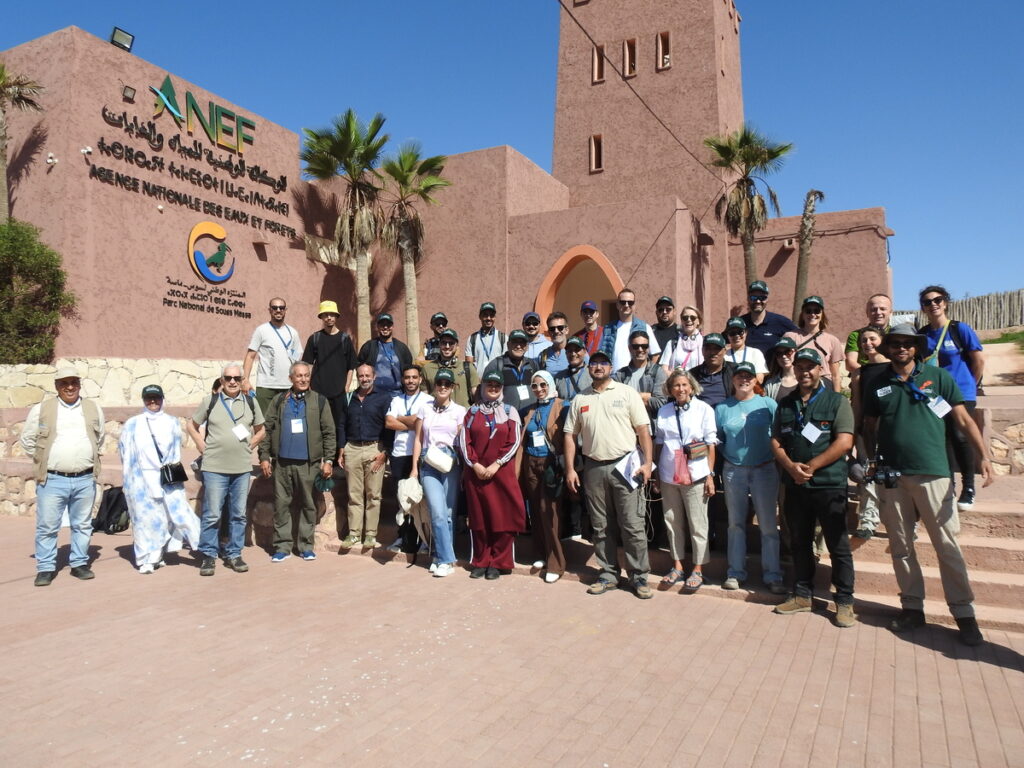
The first face-to-face training for the RESCOM pilot sites, organized by the Mediterranean Biodiversity Consortium (MBC) in collaboration with ANEF (Morocco’s National Water and Forests Agency), took place from 2 to 6 November in Agadir, Morocco.
Building on the COGICO Methodological Guide and on the four-part webinar series held in October, the training brought together representatives from six RESCOM pilot sites for an in-depth and site-specific workshop on the topic of “Hosting sustainable economic activities in natural environments”.
The five-day training aimed to identifying practical tools and solutions to reconcile local development with the protection of ecosystems. This was achieved through a participatory training approach, bringing together stakeholders from each site to work in groups and engage in peer-review sessions, fostering dialogue and knowledge exchange between sites. Furthermore, participants were invited to a field visit to Sous Massa National Park, giving a practical example of how economic activities can support local livelihoods and nature conservation.
A territorial approach bridging conservation and sustainable economic activities
In line with Nature-based Solutions (NbS) principles of upholding conservation objectives while addressing societal challenges, the training connected these topics to the multi-ecosystem approach, both concepts being core parts of the MBC’s approach in the RESCOM project. Particular attention was given to the specific needs and challenges faced by each pilot site, by considering the broader territory beyond the administrative boundaries of protected areas. The participants were given tools and time to reflect on existing economic activities and explore how these could be further developed in a sustainable direction.
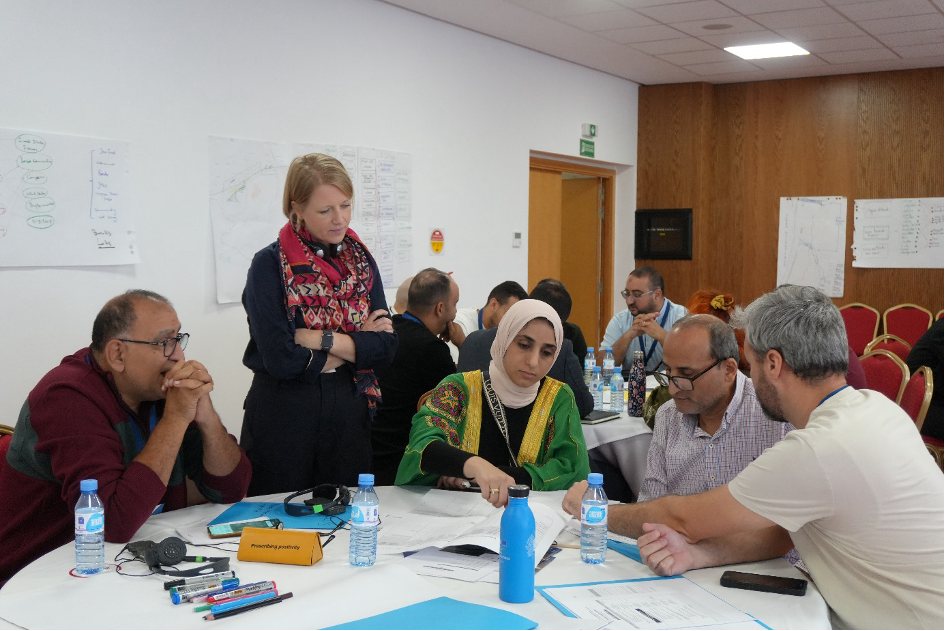
The training consisted of theoretical presentations creating the basis for the site-specific group work, reflecting on the economic activities taking place at their respective sites, identifying opportunities for change or further development. This was followed up by regular peer-review sessions, encouraging participants to discuss common challenges, share their expertise and exchange their ideas.
The training brought together representatives from each of the six pilot sites present, including Divjaka-Karavasta (Albania), Tivatska-Solila (Montenegro), Lake Burullus (Egypt), Oued Ezzen (Tunisia), Khenifiss (Morocco) and Bouhachem (Morocco), alongside representatives from the Souss Massa National Park. The participants included professionals from different backgrounds such as natural area managers, local and national governmental representatives, civil society organizations, conservation experts and practitioners.
The training – combining theory, group work and field visit
The training began by each site mapping the links between ecosystems and livelihoods, defining a specific challenge of each site within its territorial context. Based on this, each site continued site-specific work related to sustainable tourism, agriculture and fishing the following days. This was done through exploring the needs of local communities, the potential and impacts of certain activities, and how to involve relevant stakeholders.
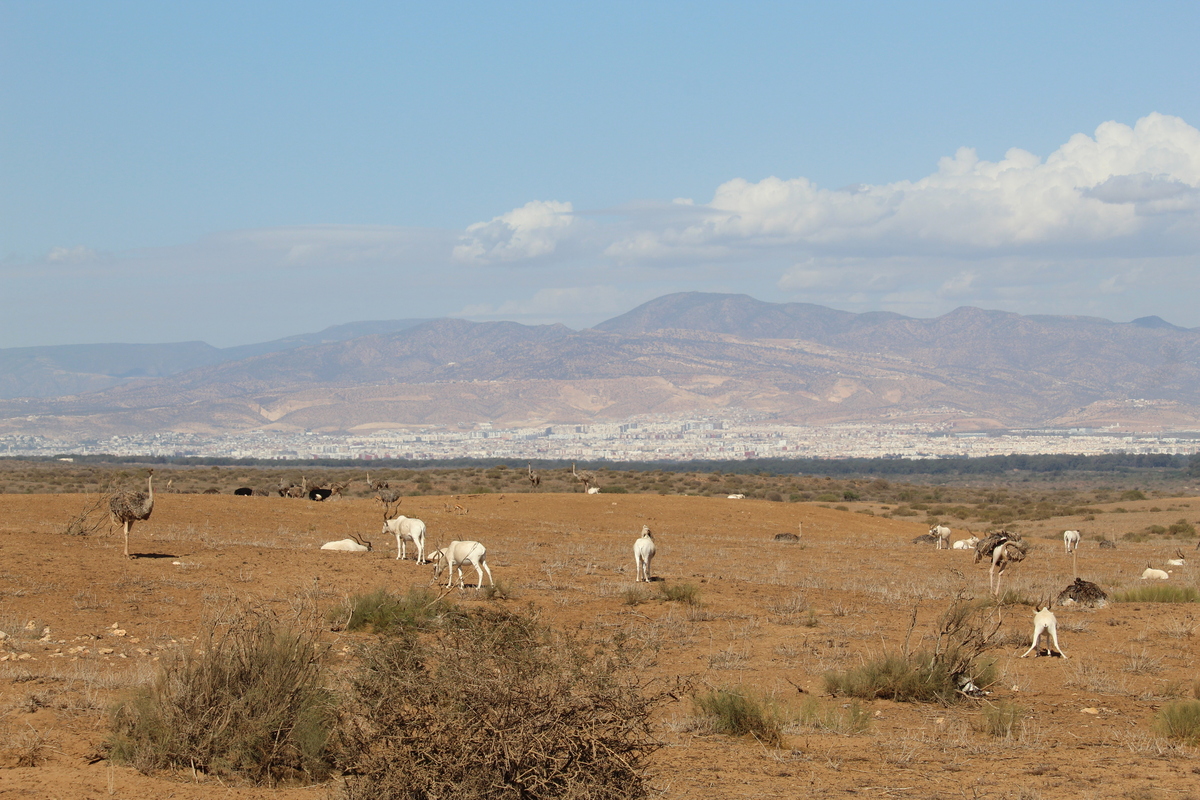
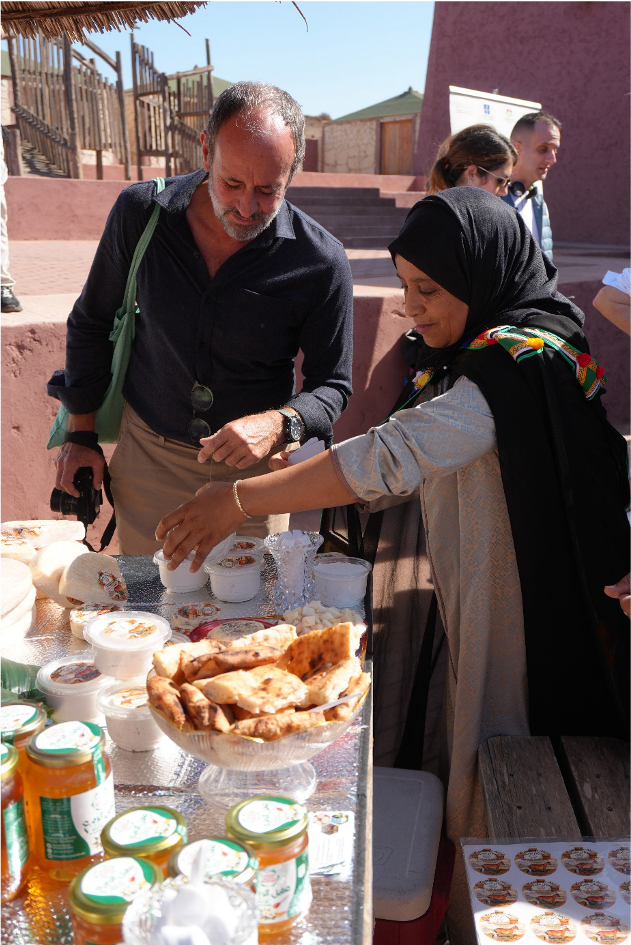
Participants had also the opportunity to visit the Souss Massa National Park to learn more about their conservation, agriculture and tourism activities on site.
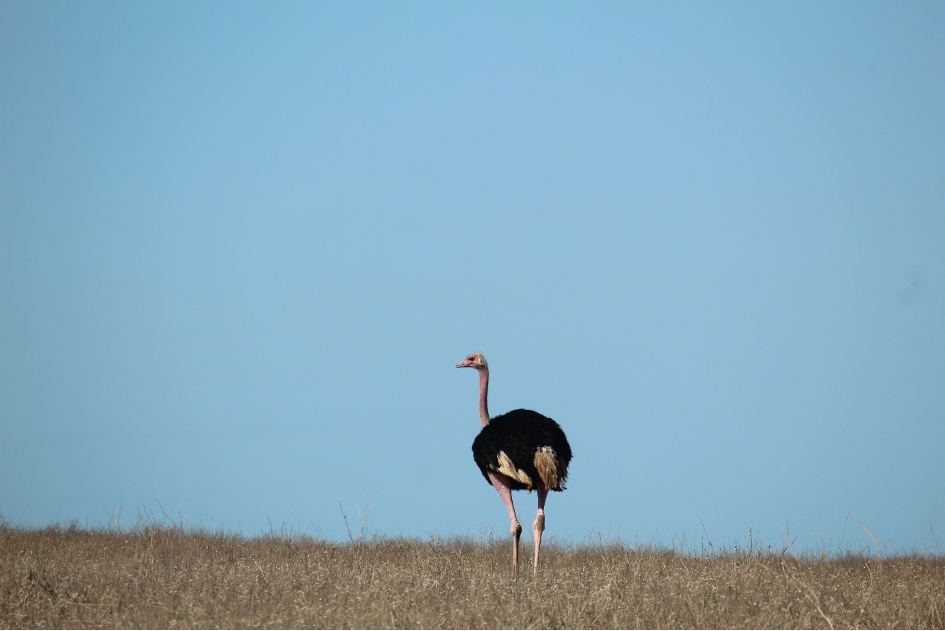
The visit began with a presentation introducing the park, where participants got insights into the national park’s context and challenges. Participants then met with members of the local cooperative, producing products like honey, argan oil and couscous followed up by a park visit to learn more about the ecotourism activities in the national park, while experiencing the wildlife of the park, including ostriches, addax and antelopes.
In the Souss Massa context, ecotourism and sustainable agriculture provides income for locals and for the national park, giving the training participants a practical example of how sustainable economic activities can coexist with and contribute to conservation.
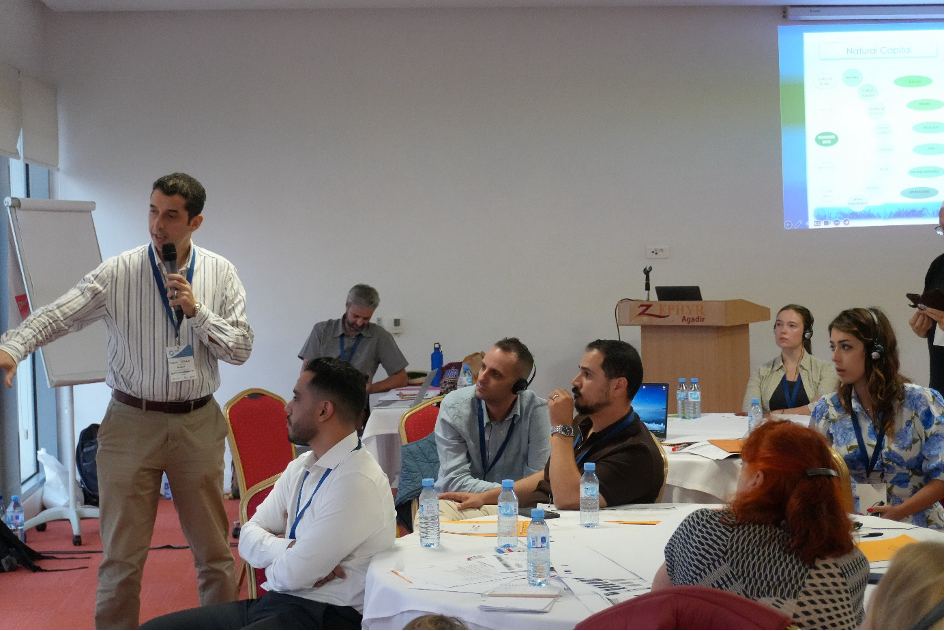
Throughout the training, discussions highlighted the evolving role of conservationists in balancing ecosystem protection with the socio-economic needs of local communities. Promoting sustainable economic activities can present potential conflicts of interest, therefore, discussing the topic and exchanging experiences is necessary to clarify and develop the role conservation managers and stakeholders should play. These discussions highlighted the value of bringing practitioners together, and the importance of this training as a platform to develop the tools needed to navigate these competing priorities.
The training week served to inspire further action at the pilot sites while fostering collaboration among participants. The MBC will build on the lessons learned to further develop its approach to supporting and collaborating with conservation sites, keeping their needs at the core of its work.
Thank you to the organization team within the MBC (in particular PIM Initiative and MedWet), the trainers and all who participated in the training, and a special thanks to the team from ANEF and the Souss Massa National Park for their hospitality.
To learn more about the whole training cycle, you can visit the dedicated page, and the one dedicated to the webinar series.
Photos: © Anaële Sacchettini and Emma Doat